Why Chicago Sunsets on the Lake Are Special
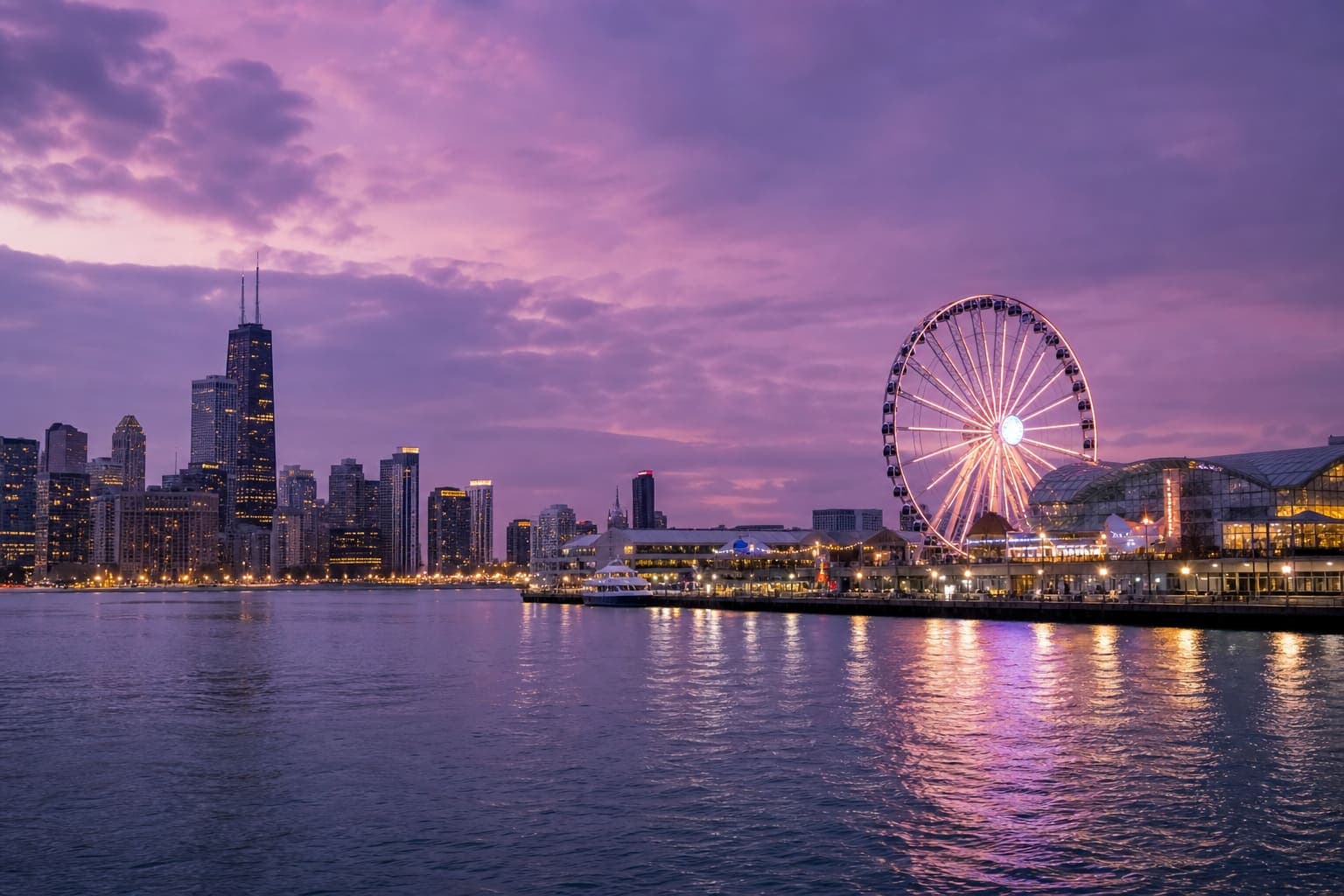
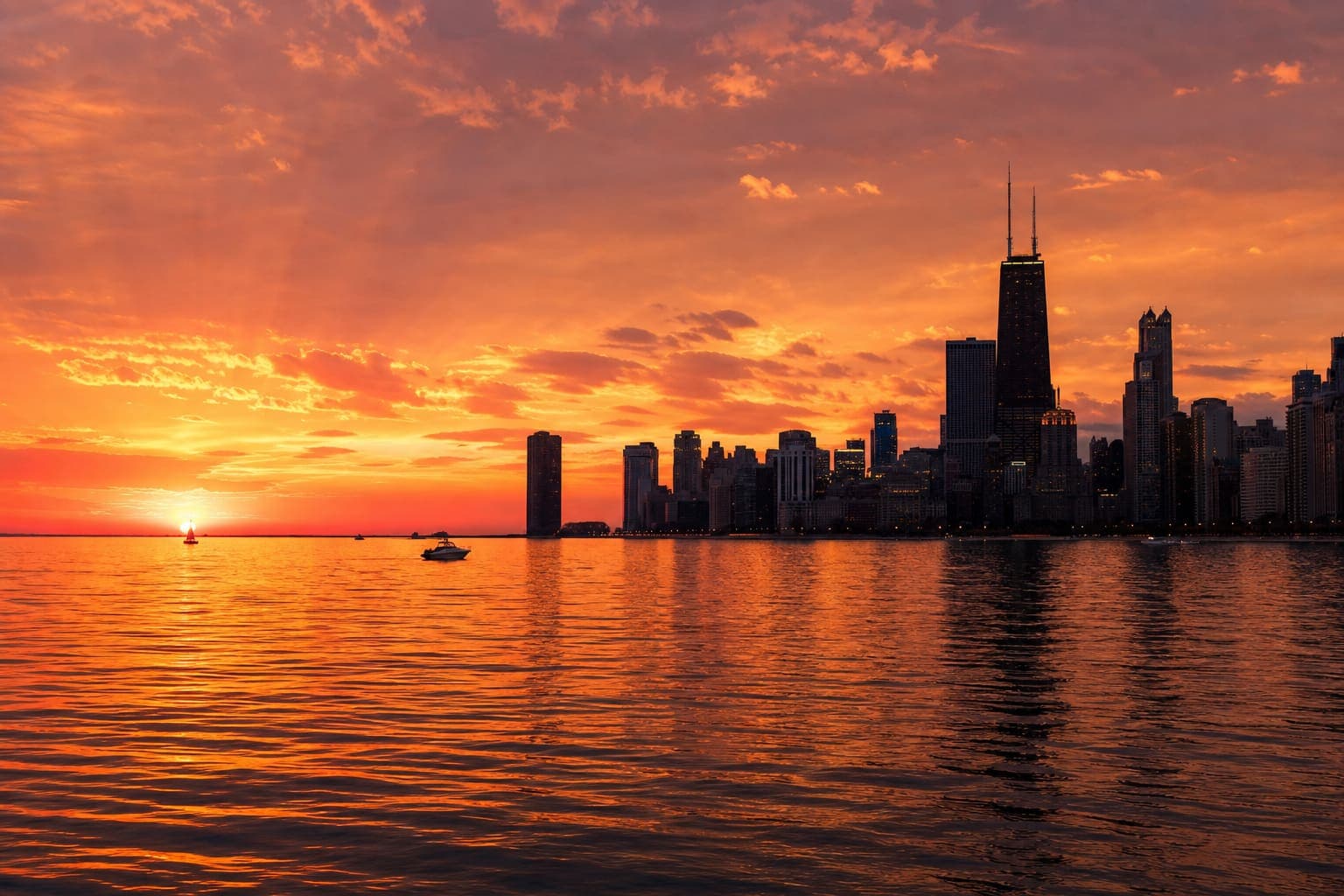
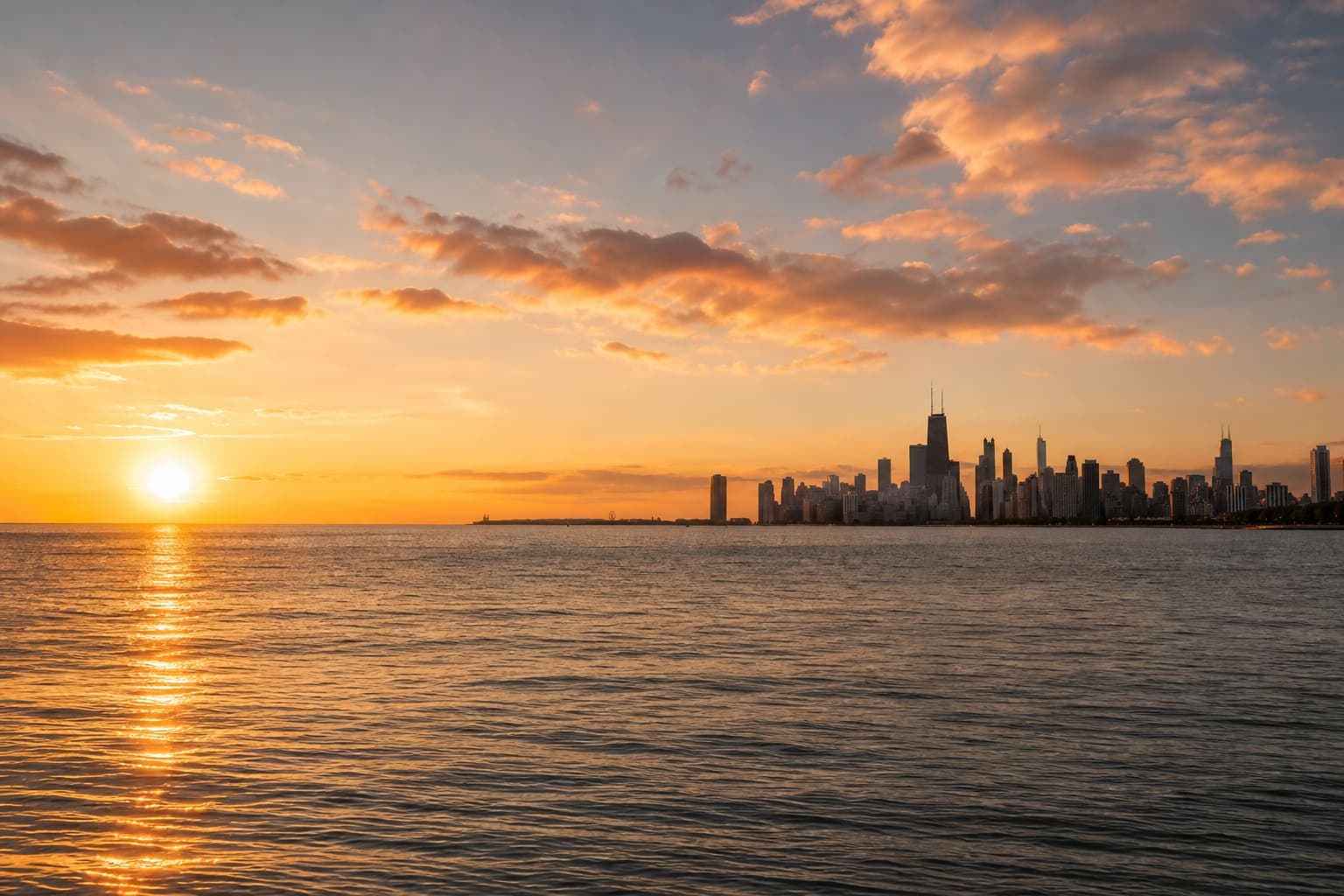
Chicago sits on the west shore of Lake Michigan, which means the city catches the setting sun from behind — and the skyline lights up golden against an open eastern horizon on the water. This geographic quirk creates dramatic backlit effects that photographers and couples seek out from Memorial Day through October.
Golden hour on the lake typically runs 60–90 minutes before sunset, when the light is warmest and most flattering. Departure timing is critical: most sunset cruise and charter operators schedule sailings to hit this window. Check exact departure times and cross-reference with sunset times for your visit date.
Wind conditions also matter. Lake Michigan can be breezy in late afternoon, which adds atmosphere but also means dress in layers. A calm evening produces glassier water and more reflections; a breezy evening means more drama if you're sailing.
Ticketed Sunset Cruises vs Private Sunset Charters
Ticketed sunset cruises are shared experiences on scheduled vessels. You purchase individual seats alongside other guests, the route and timing are set, and you get a genuine Lake Michigan sunset view without organizing a private charter. These are ideal for couples, small groups, or solo travelers wanting convenience over exclusivity.
Private sunset charters give your group the entire vessel. You control the guest list, can bring your own food and drinks (per operator policy), and have a more intimate experience. Private charters cost more in total but deliver something the ticketed option can't: full exclusivity on the water at golden hour.
Sunset sailing charters are a specific subset — private or semi-private sailboats with a skipper who handles the rigging while you relax on deck. Sailing silently under canvas during golden hour is a different experience from a motor vessel — quieter, more romantic, and heavily dependent on wind conditions.
Best Departure Times and Locations
Monroe Harbor and the Navy Pier area are the most popular sunset cruise departure points, with good reason: the skyline is most dramatic from the south and east. A vessel departing Monroe Harbor and heading southeast gets maximum skyline exposure during golden hour.
For private sunset sailing charters, Belmont Harbor and Diversey Harbor on the North Side are quieter departure options with equally beautiful open-lake views. From these locations, the city skyline frames the south horizon during a northerly sunset sail.
Timing tip: research exact sunset times for your date on Chicago's calendar and work backward. Most operators schedule departure 90–120 minutes before sunset to allow travel time to viewing position and to catch the full golden-hour spectrum.
Capturing the Sunset: Photography Tips for Lake Michigan
Chicago's west-shore position on Lake Michigan creates photography conditions that professional photographers specifically seek out. The city sits behind you as you face east on the water, and the setting sun illuminates the skyline from the west while you're positioned to see the full glow. Shooting from a boat at water level places the skyline above the horizon with a mirror image below — the reflection doubles the visual impact of golden-hour light.
Golden hour on Lake Michigan typically begins about 90 minutes before the listed sunset time. This is when the light turns warm and directional, casting long shadows across building facades and turning glass towers a deep amber. The last 30–45 minutes before actual sunset are often the most dramatic window — colors intensify as the sun approaches the horizon and the lake takes on a rose-gold quality.
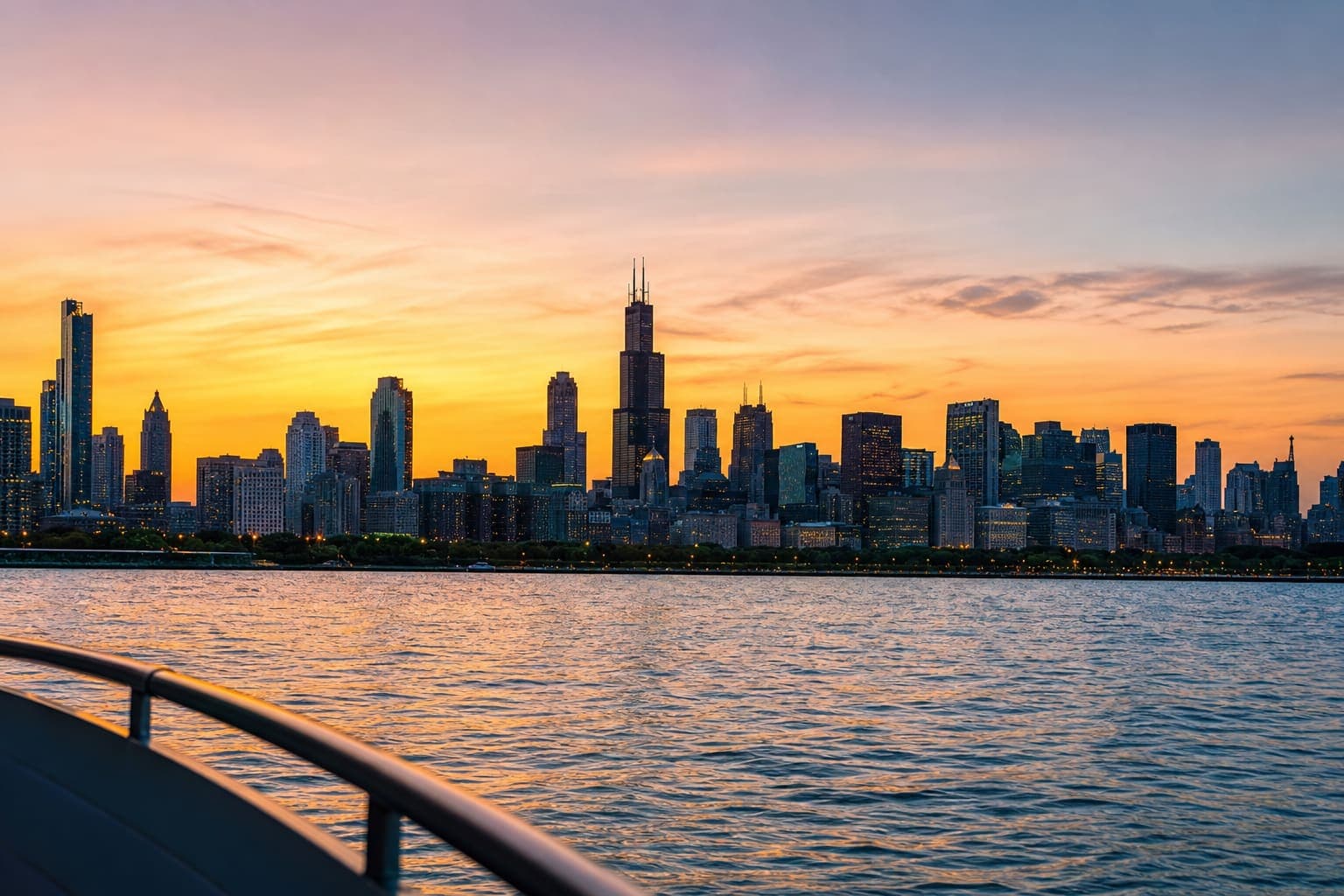
For smartphone photographers, consider using portrait or vivid mode to capture the color saturation. Wide-angle shots that include the boat's bow in the foreground add depth and place the viewer in the scene. If your group includes a camera shooter, early arrival at a good vantage position on the bow is worth the effort — the front of the boat offers the cleanest skyline sightline without other passengers or rigging in the frame.
What to Eat and Drink During Your Sunset Experience
Sunset cruises pair naturally with light food and a bottle of wine or a few cold drinks. On BYOB charters, the most popular combination is charcuterie or cheese boards, easy-to-eat finger foods, and wine or champagne in plastic flutes. This is romantic, practical, and leaves no messy cleanup for the crew or captain at the end of the evening.
If your charter includes a bar service package, confirm what's available before departure so you can plan around it. Some charter operators include basic drink setups; others have full bar packages including premium options. Knowing what's available avoids duplicate packing or disappointment when you arrive expecting one thing and find another.
Sunset departures after 6pm often mean guests haven't eaten dinner — plan accordingly. A sunset sail that runs 2.5 hours from a 7pm departure returns around 9:30pm, at which point dinner ashore is a natural continuation of the evening. Many Chicago restaurants near Monroe Harbor and the Riverwalk area are excellent post-charter dinner options, though reservations for groups should be made before your sailing day rather than hoping for walk-in availability.
Sunset Viewing Positions on Lake Michigan: Where to Be
Not all positions on Lake Michigan provide equally dramatic sunset views. The skyline lights up most dramatically when a vessel is positioned east of the buildings — essentially out on the lake looking west. From this angle, the glass and steel towers are backlit by the declining sun and the water in front of them catches the color. Vessels that stay too close to the harbor or too near the shoreline may have obstructed views of the full skyline profile.
Experienced sunset charter captains position their vessels southeast or due east of downtown — far enough out to see the full skyline height without foreground obstruction, close enough that the city detail is visible and dramatic. From this position on a clear evening, the skyline from the Hancock Tower to the distant South Side is visible in a single panorama that's simply not achievable from any land-based vantage point in the city.