Boating Chicago
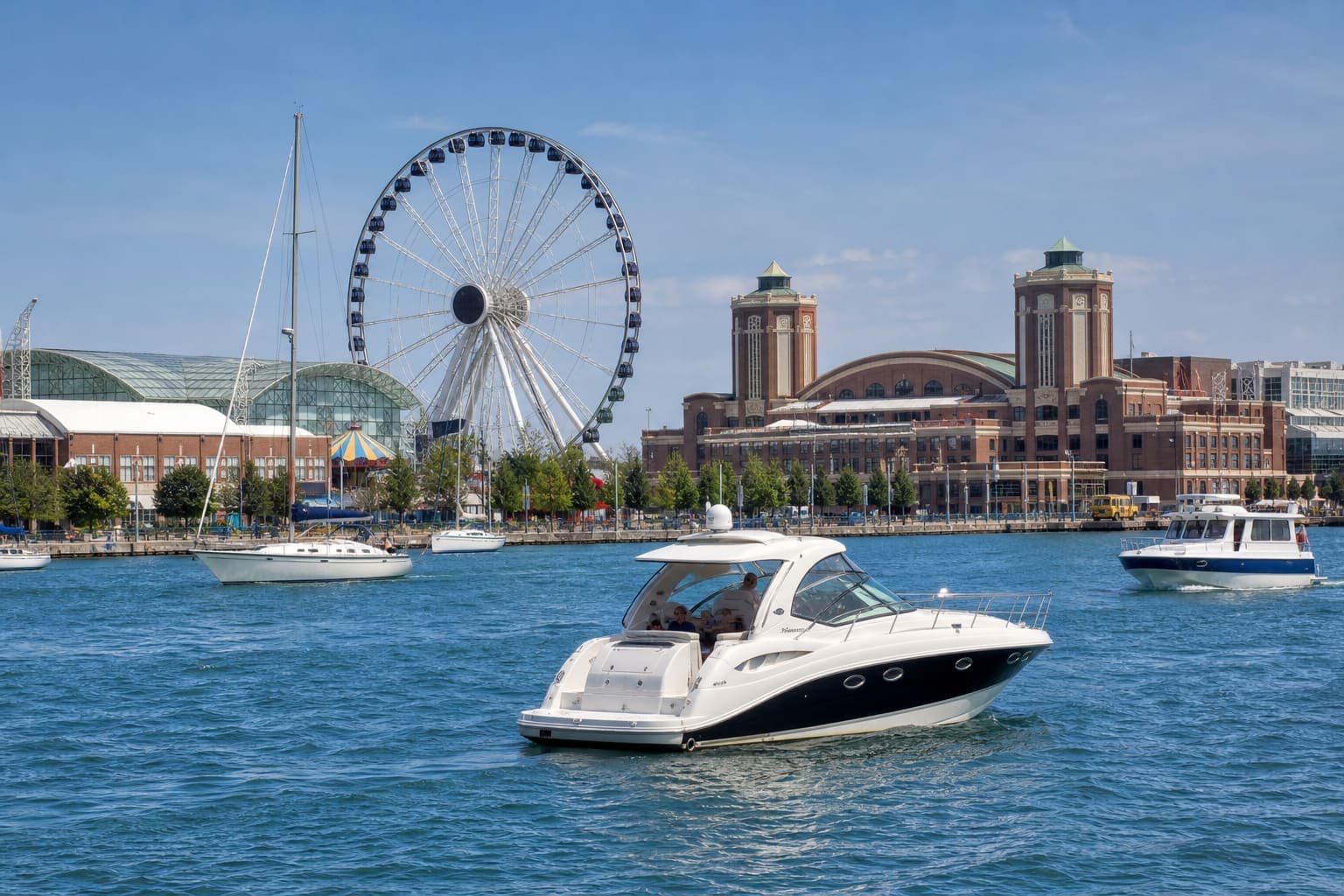
Navy Pier and recreational boats on Lake Michigan in Chicago

Lake Michigan Boating Guide for Chicago Boaters

Lake Michigan is not a pond. The world's third-largest freshwater lake covers 22,300 square miles, reaches depths over 900 feet, and can produce ocean-like waves in the right conditions. For Chicago boaters, it's the defining feature of summer life — a magnificent, challenging, and rewarding body of water that demands respect and rewards experience. This guide covers the essentials of Lake Michigan boating from Chicago: weather, safety, navigation, and making the most of a remarkable lakefront.

Understanding Lake Michigan Weather Near Chicago

Lake Michigan weather is genuinely variable and can change faster than smartphone weather apps update. Morning forecasts can be overtaken by afternoon squalls — experienced Chicago boaters check the National Weather Service marine forecast (specifically the Lake Michigan forecast zone for Chicago) and have a plan for retreating to harbor if conditions deteriorate.

Prevailing winds in Chicago run from the south in summer, but northwest winds are common and can create steep, closely-spaced waves in the afternoon. Northeast winds build fetch from the Michigan shore, generating the largest swells that reach Chicago's lakefront.

Thunderstorm watch and warning systems in the Chicago area are reliable enough to give boaters meaningful advance notice. If a severe thunderstorm watch is issued during your trip, return to harbor immediately — do not wait for the storm to arrive before taking action.

Navigation on Lake Michigan Near Chicago

The Chicago Harbor System uses standard USCG aids to navigation — red and green buoys mark harbor entrances and the federal channel. Familiarity with the IALA buoyancy system (red right returning) is essential for all boaters operating near Chicago's harbors.

GPS chartplotters are standard equipment on Chicago area boats and significantly reduce the risk of disorientation in low visibility. However, GPS doesn't substitute for knowing what you're doing — every Chicago boater should know how to navigate back to harbor using compass headings and basic landmarks.

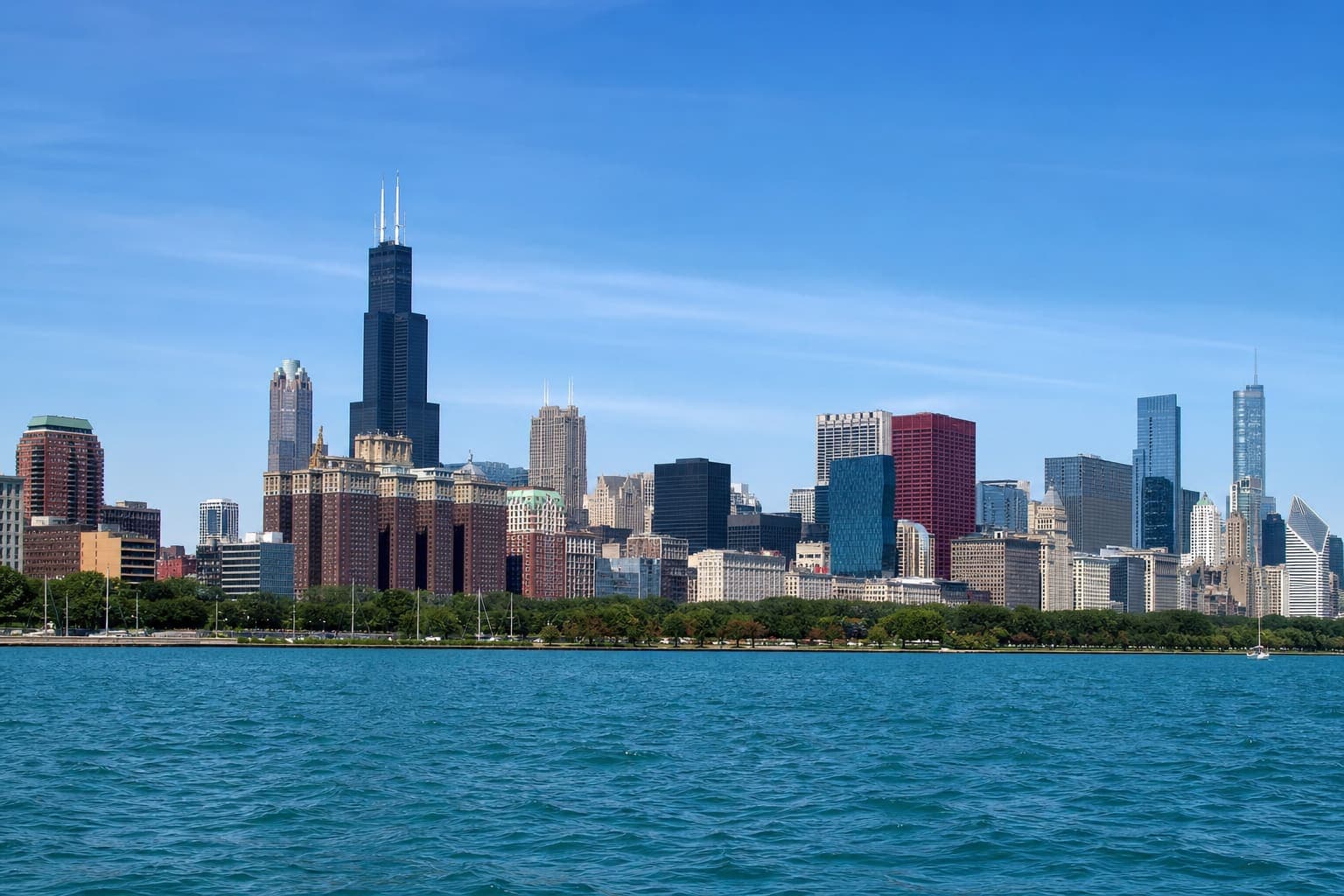
The lakefront can be surprisingly confusing in fog or rain. The Chicago skyline is normally an unmistakable landmark, but limited visibility eliminates that reference. Carry a working VHF radio, maintain a compass heading, and follow fog navigation protocols (reduced speed, sound signals) in reduced visibility.

Safety on Lake Michigan

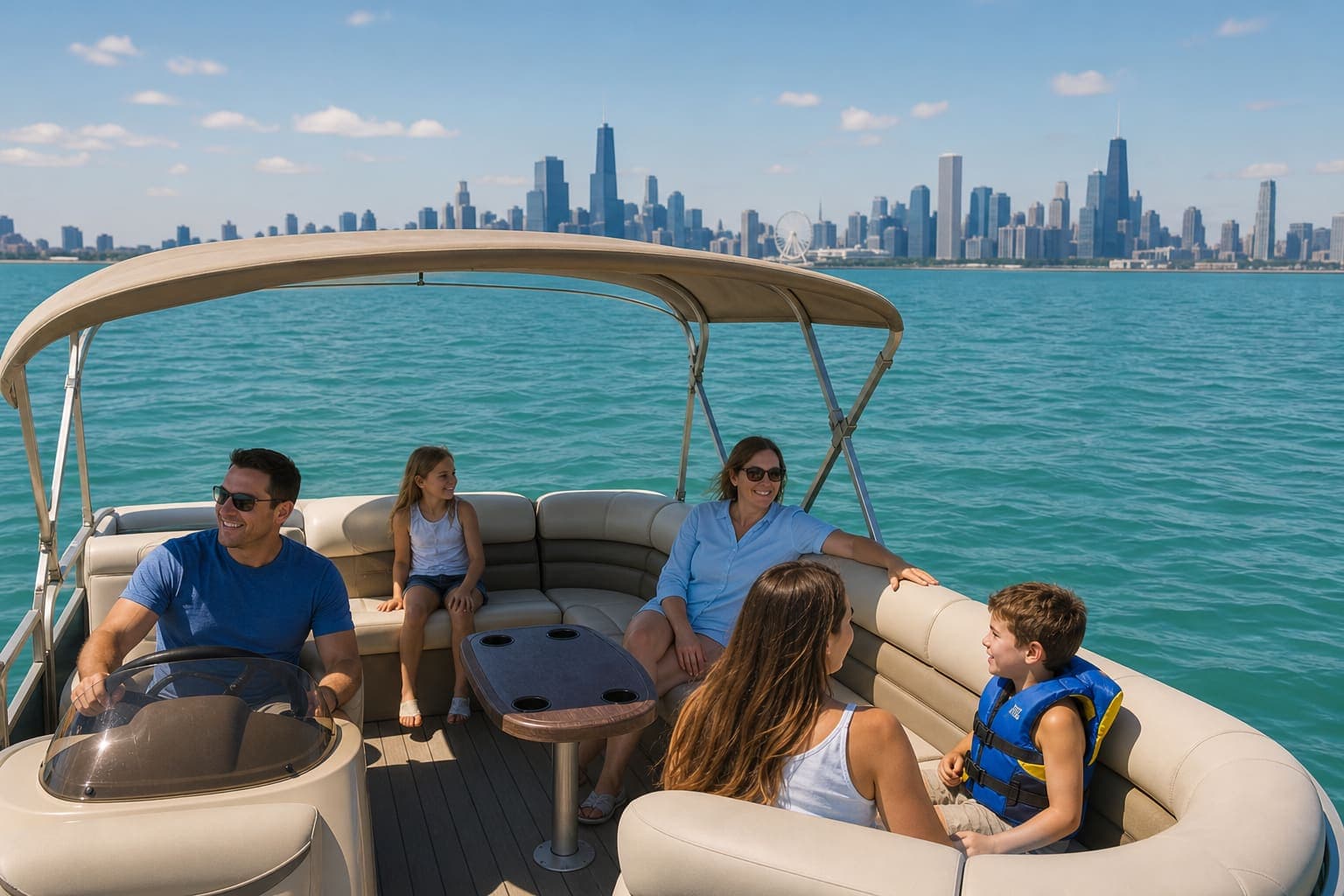
Life jackets save lives. Illinois requires USCG-approved life jackets for all passengers — children under 13 must wear them whenever the boat is underway. Adults should wear them in rough conditions, when near the back of the boat, or any time there's an elevated risk of going overboard.

File a float plan. Tell someone onshore where you're going, your departure time, and your expected return. If you don't check in, they know to call the Coast Guard. This simple practice is one of the most effective safety measures available.

Know your vessel's limitation and yours. Lake Michigan is best enjoyed by boats and boaters matched to the conditions. A 20-foot runabout is not ideal in 4-foot following seas. Know when to stay in harbor rather than pushing out in marginal conditions.

Emergency Procedures and Coast Guard Resources

Knowing what to do before an emergency happens on Lake Michigan is the difference between a manageable situation and a tragedy. VHF Channel 16 is the universal distress and hailing channel — transmitting 'MAYDAY, MAYDAY, MAYDAY' followed by your vessel name, position, nature of distress, and number of persons aboard activates the Coast Guard's search and rescue response. Position should be given in GPS coordinates if possible, or in terms of direction and distance from a known landmark.

Flares are required aboard most vessels on Lake Michigan and are the primary visual distress signal for daylight emergencies. Aerial flares have the most visibility but also the shortest duration — use them when you can see or hear a rescue vessel or aircraft nearby. Day/night combination flares serve both daylight and nighttime situations. Check flare expiration dates annually — expired flares should be replaced and disposed of properly through marina collection programs.

Man-overboard situations on Lake Michigan require immediate, calm response. The standard protocol: call out 'Man overboard' loudly, assign one person to maintain continuous visual contact with the person in the water, press the MOB button on your GPS chartplotter to mark the position, and begin the return maneuver immediately. Cold water hypothermia is a real threat even in summer — Lake Michigan water can be cold enough to cause debilitating cold shock within minutes of immersion.

Lake Michigan as an Ecosystem: Understanding What You're Boating On

Lake Michigan is one of the world's remarkable freshwater ecosystems — a body of water so large that it creates its own weather patterns, sustains a complex food web, and has profoundly shaped the development of the cities on its shores. For Chicago boaters, understanding the lake as an ecosystem rather than just a recreation venue provides context for everything from why water temperature changes on different days to why fishing is exceptional in certain seasons.

The lake supports significant populations of fish beyond the stocked salmon species: native lake whitefish in deep water, yellow perch in nearshore areas, and numerous smaller species that form the base of the food web. Cormorants, mergansers, herring gulls, and great blue herons are among the bird species that depend on the lake's fish resources and are regularly visible from boats on Chicago's lakefront.

Invasive species have significantly altered Lake Michigan's ecology over the past several decades. Zebra and quagga mussels, sea lamprey, and the alewife have changed the lake's transparency, temperature profiles, and food web dynamics in ways that are still being understood. The exceptional water clarity that now characterizes parts of Lake Michigan near Chicago is primarily a result of mussel filter feeding — a clarity that's ecologically complex but visually remarkable when viewed from the deck of a boat over deep water.
Lake Michigan Conditions Guide for Chicago Boaters

ConditionWave HeightBoat RecommendationCharter Suitability
CalmUnder 1 ftAll boatsExcellent
Slight chop1–2 ftMost boatsGood
Moderate2–4 ft20+ ft boats preferredMarginal — captains decide
Rough4–6 ftLarge boats onlyMost charters cancel
Very rough6+ ftStay in harborAll charters cancel

Seasonal Tips

Spring (May)

Water is cold — hypothermia risk for anyone overboard is real. Wear a life jacket. May can offer beautiful calm mornings but afternoon winds pick up.

Summer (Jun–Aug)

Best overall conditions. Monitor afternoon thunderstorm potential — Chicago's summer storm pattern is significant.

Fall (Sep–Oct)

Excellent boating but conditions deteriorate more frequently. NW winds after cold fronts create challenging conditions — watch the forecast carefully.

Winter (Nov–Apr)

No recreational boating on Lake Michigan from Chicago in winter. Lake ice, severe cold, and extreme wave heights make the lake inhospitable.

People Also Ask

Is Lake Michigan safe for boating?
Yes, when done responsibly. Lake Michigan is a significant body of water that requires proper safety equipment, weather awareness, and appropriate vessel selection. Thousands of Chicago boaters enjoy it safely every season.
How deep is Lake Michigan near Chicago?
The lake deepens quickly offshore from Chicago. Nearshore waters are 20–60 feet within a few miles of the harbor entrances; the lake averages 279 feet overall and reaches 925 feet at maximum depth.
Can Lake Michigan have dangerous waves?
Yes — Lake Michigan can produce waves of 6–10+ feet in severe weather. These are ocean-like conditions that are genuinely dangerous for small boats.
How do I check Lake Michigan weather forecasts?
The National Weather Service maintains marine forecasts for Lake Michigan by zone, including the Chicago area. Check before every boating trip.
Do I need a VHF radio on Lake Michigan?
VHF marine radio is the standard communication tool on Lake Michigan and is required equipment on documented vessels. Channel 16 is the distress and hailing frequency — monitor it whenever underway.

Popular on the Water

Highly reviewed ticketed cruises and water experiences related to this guide. Ratings from GetYourGuide or Viator — not BoatingChicago reviews.

Chicago River: 1.5-Hour Guided Architecture Cruise — Chicago boating experience
GetYourGuide

1.5-Hour Architecture Cruise

4.8 ★ (9,000+ reviews)

Chicago’s top-reviewed architecture river cruise — bridges, skyline landmarks, and downtown stories from the water.

From $38.82

See Cruise Times
City Cruises Chicago: Seadog Lakefront Speedboat Ride — Chicago boating experience
GetYourGuide

Seadog Speedboat Ride

4.5 ★ (450+ reviews)

High-energy Seadog speedboat ride along the Chicago lakefront — splashy sightseeing on Lake Michigan.

From $31.82

Check Availability
Chicago: North Avenue Beach Jet Ski Rental with Skyline View — Chicago boating experience
GetYourGuide

North Ave Jet Ski Rental

4.4 ★ (26 reviews)

Jet ski rental at North Avenue Beach with Chicago skyline views on Lake Michigan.

From $64.48

Check Jet Ski Availability
Customize Your Chicago Experience with a Private Yacht Charter — Chicago boating experience
Viator

Private Yacht Charter

Instant-booking private yacht charter on Viator. For additional private matching, browse related category pages.

View Private Yacht Charter

Boating Chicago may earn a commission when you book through links on this page, at no additional cost to you. Learn more.

Ratings and review counts from GetYourGuide (or Viator where noted). Not BoatingChicago reviews.

Frequently Asked Questions

Can you swim in Lake Michigan near Chicago?
Yes — Lake Michigan water is generally clean enough for swimming. Beach advisories are occasionally issued for elevated bacteria counts; check the Chicago Park District beach monitoring program before swimming.
Are there currents in Lake Michigan near Chicago?
Yes — Lake Michigan has surface currents and near-shore drift currents that can surprise swimmers and small watercraft operators. These are generally mild but can be significant near harbor entrances and in strong wind conditions.
How far offshore can you legally go on Lake Michigan near Chicago?
There's no set distance limit for recreational boating. Your vessel's seaworthiness and your ability to handle conditions at any given distance from shore are the practical constraints.
What should I do if my boat breaks down on Lake Michigan?
Contact Sea Tow or BoatUS towing services for non-emergency assistance. Contact the US Coast Guard on VHF Channel 16 for emergencies — they patrol Lake Michigan actively near Chicago.
Is Lake Michigan water drinkable?
Chicago's drinking water comes from Lake Michigan and is treated at city filtration plants. The raw lake water is not safe to drink without treatment.

Useful local resources

Conditions, destinations, and guides that pair with this page.

Popular Searches

Related Chicago Boating Guides

Free waitlist · No email yet

Chicago Boating Brief

Be first in line for a practical brief covering weekend lake conditions, marine alerts, boating weather, events, news, and southern Lake Michigan destination ideas — built for Chicago boaters.

  • Weekend lake conditions
  • Marine alerts
  • Boating weather
  • Events on the water
  • Chicago boating news
  • Destination ideas