Downtown River Kayaking: The Classic Chicago Paddle
The Chicago River's main branch through the downtown Loop is a remarkable paddle route. You pass under the iconic Chicago Avenue and Michigan Avenue bridges, glide past the Merchandise Mart, and look up at Tribune Tower and the Wrigley Building from the water. The perspective is genuinely different from any walking tour.
Downtown river kayak rentals are typically 2-hour sessions. Launch points vary by operator but are generally near the Riverwalk area or a designated marina with river access. The current is gentle (the river flow is managed), and the river is calm — ideal for beginner paddlers.
Summer weekends on the river see good kayak traffic — expect to share the water with other kayakers, architecture tour boats, and the occasional Water Taxi. The afternoon can be busy; morning sessions offer a calmer experience.
Lake Michigan Kayaking at Ohio Street Beach
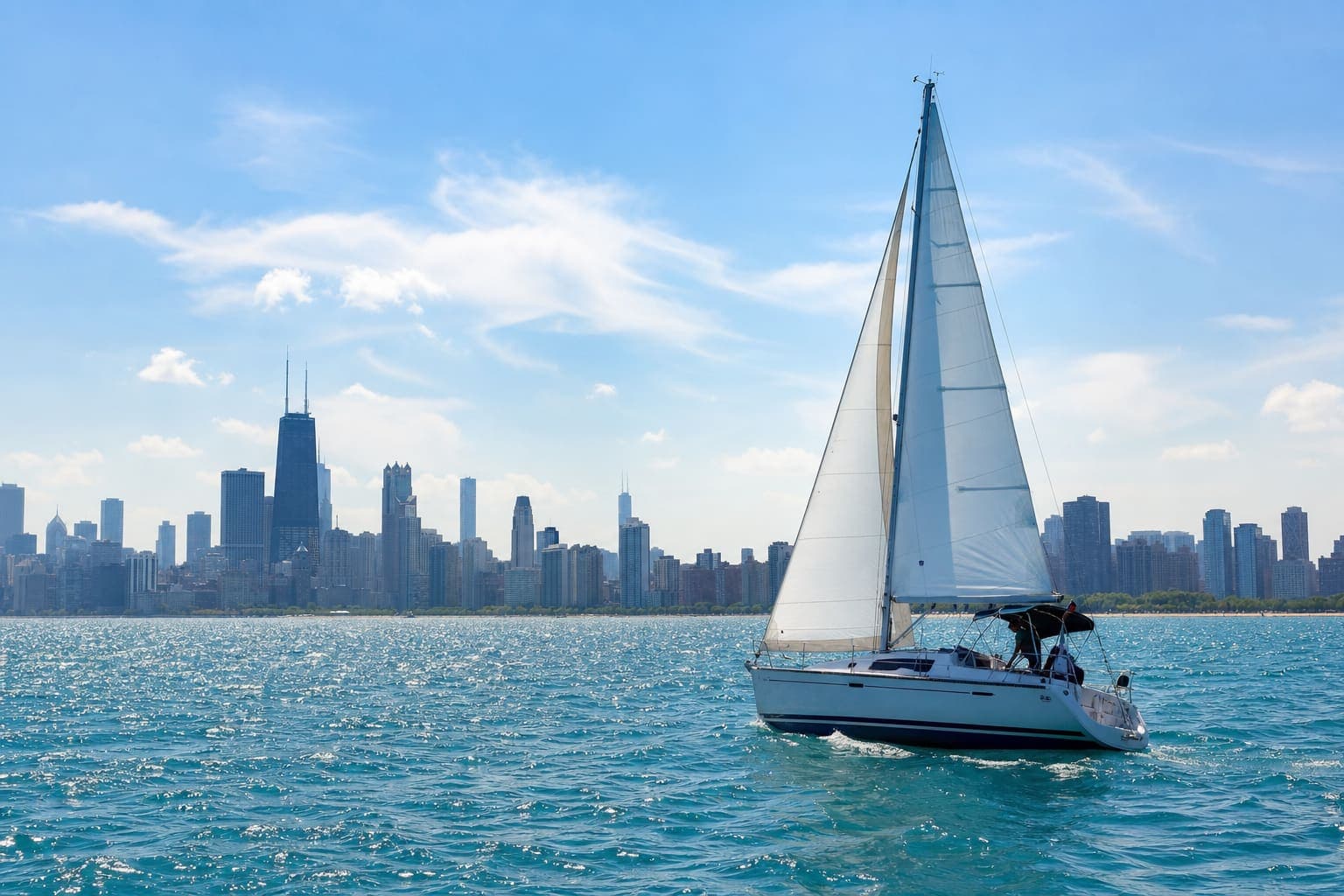
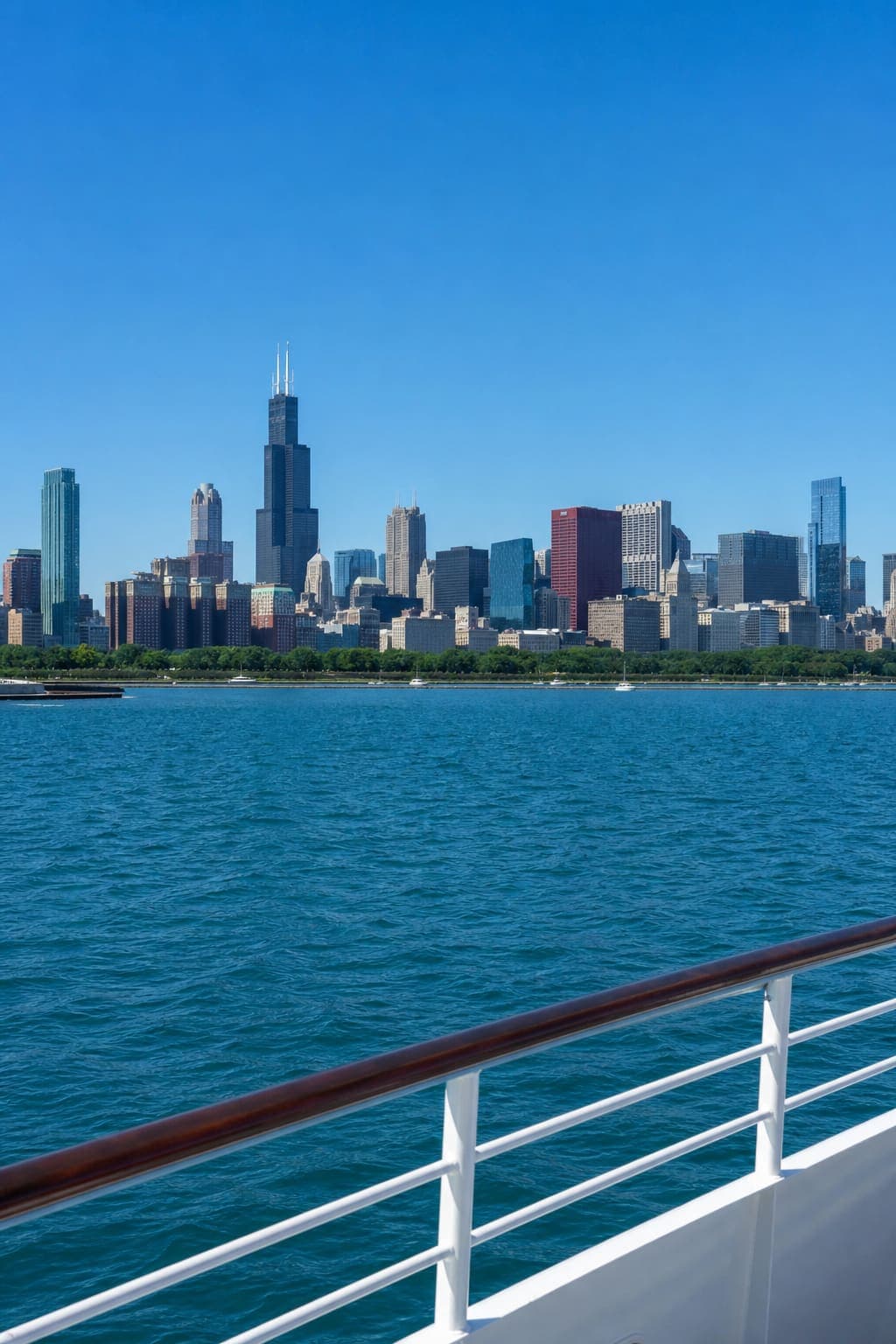
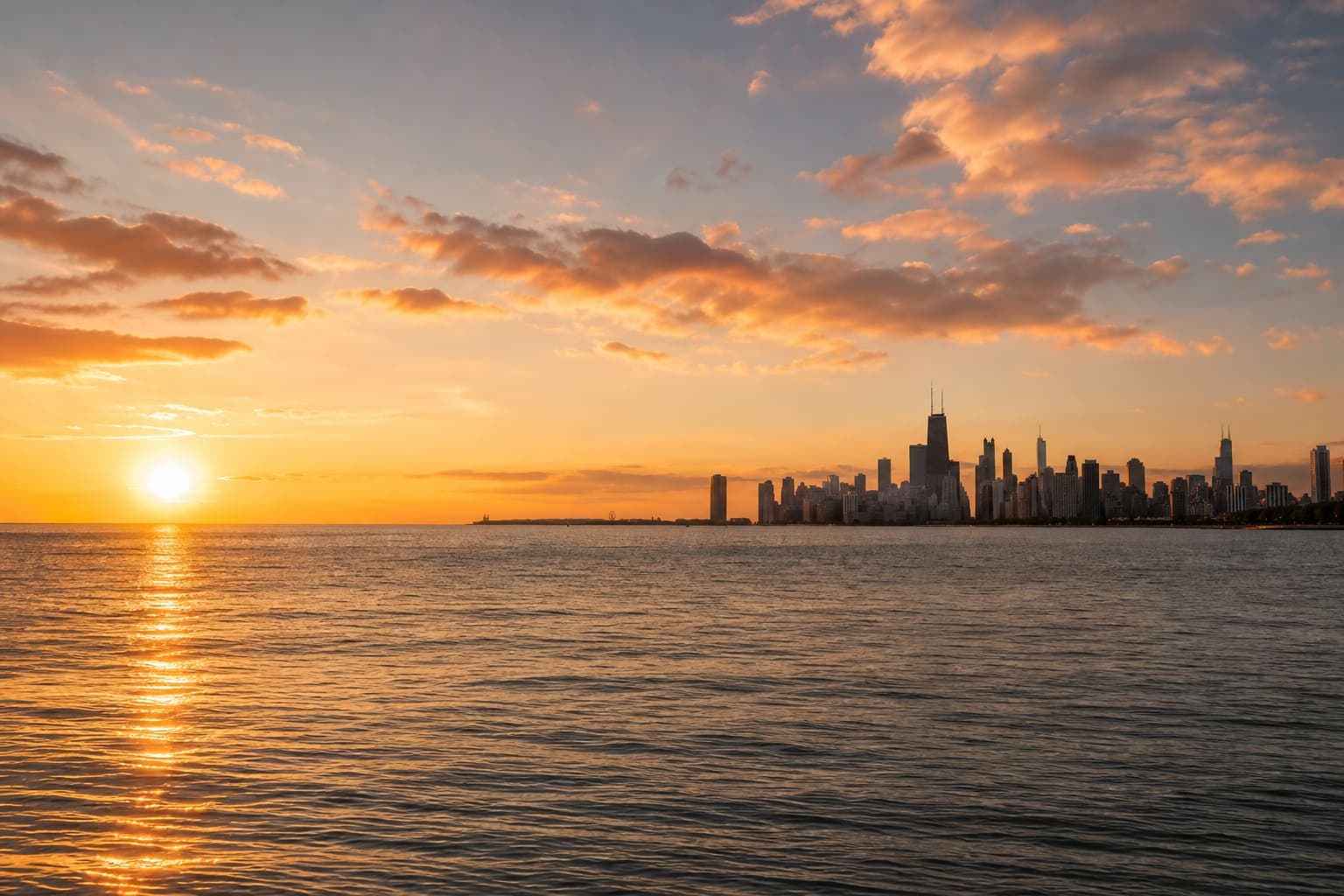
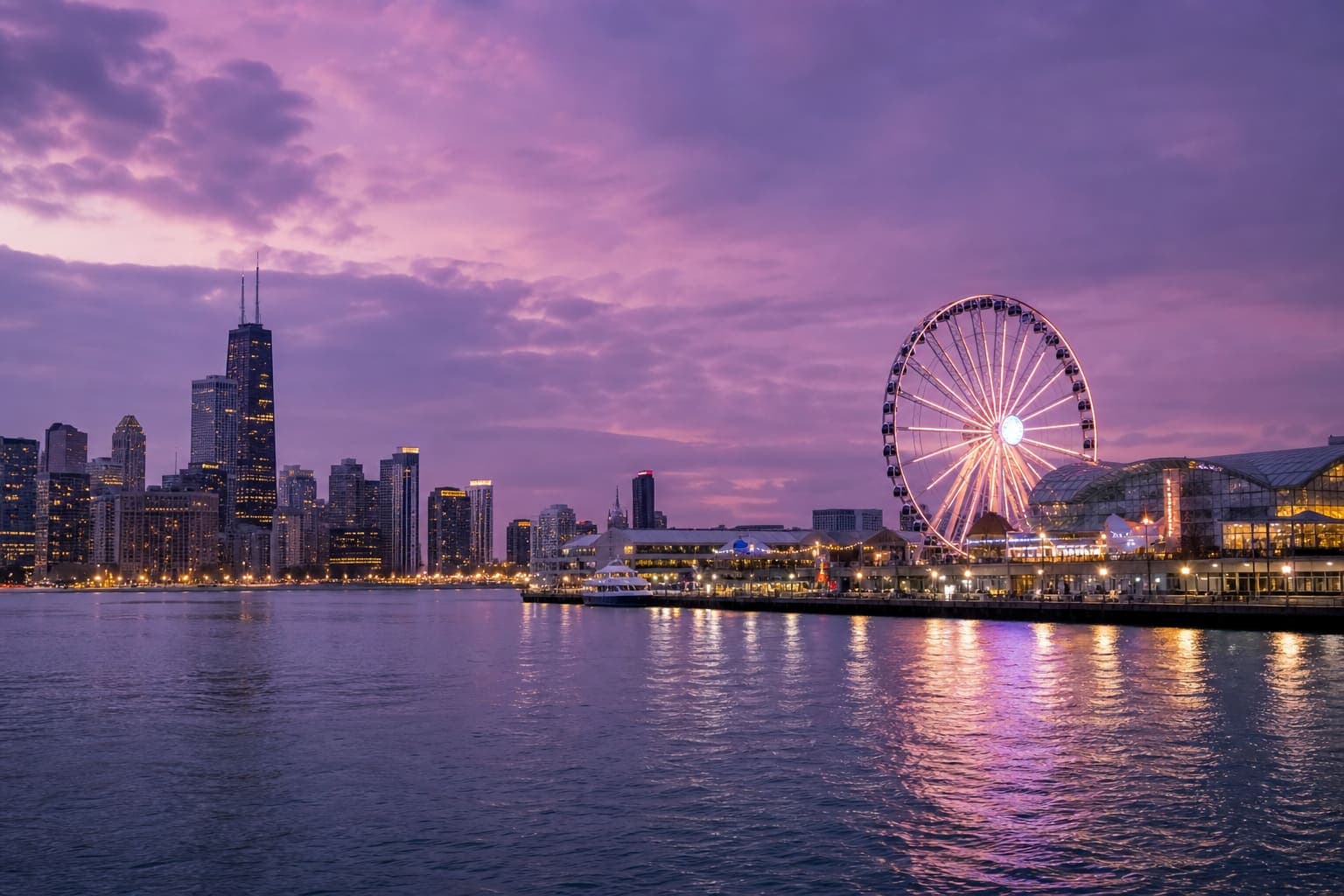
Ohio Street Beach, tucked between Navy Pier and the Streeterville neighborhood, is the launch point for Lake Michigan kayak rentals that put you directly on the open lake. The skyline is directly to the west; you can paddle out several hundred yards for an unobstructed downtown view.
Lake Michigan kayaking requires more awareness than river paddling. Wind and waves are real factors — conditions can change quickly. Most Ohio Street Beach kayak rental operators will advise against going out in unfavorable conditions. Morning and early afternoon sessions tend to be calmer.
For experienced paddlers, Lake Michigan kayaking near downtown Chicago is genuinely beautiful — open water, skyline views, and the ability to paddle along the shoreline. For beginners, starting on the river is a lower-risk introduction to Chicago kayaking before attempting the lake.
Tips for Chicago Kayak Rentals
Dress appropriately — wear quick-dry clothing, bring a sun shirt for UV protection, and plan to get some water on your lower half from the paddle. Closed-toe shoes that can get wet (or water shoes) work better than flip-flops on kayaks.
Sunscreen is critical. River kayaking under midday sun in the urban canyon still exposes you to significant UV, especially reflecting off water and glass buildings. Reapply before getting on the water.
Waterproof your phone and any essentials. Kayaks tip — especially in the hands of beginners — and water can get in. Most operators have dry storage or lockers. A waterproof phone case is worth the minimal investment for any kayaking session.
If you're coming from out of town, both downtown river kayak rental operators and Ohio Street Beach operators offer beginner-friendly experiences. No prior kayaking experience is required for calm-water river sessions. Confirm skill requirements with your specific operator.
What You'll See: Architecture and Infrastructure on the River Paddle
The Chicago River's main branch through downtown passes through one of the world's great architectural environments. At water level, bridges that pedestrians walk over without a second thought become monumental structures. The Michigan Avenue Bridge — now officially named the DuSable Bridge — is a double-leaf bascule bridge from 1920 that, viewed from a kayak underneath it, conveys a scale and engineering drama that no shore-based vantage matches.
The Merchandise Mart, one of the world's largest commercial buildings by floor area, sits directly on the river's north bank. From a kayak, you're paddling alongside a building with 4 million square feet of floor space — it's the kind of scale that doesn't register from the street but becomes visceral at water level. Further west, the city's character shifts toward older warehouses and the Kinzie Street Railroad Bridge, one of Chicago's last remaining swing bridges.
On the south branch of the river, accessible from some rental operators, Chicago's industrial history becomes more visible — old rail infrastructure, the Union Station complex above, and the transition from the glass canyon of the downtown core to the older character of the near-south riverfront. For curious urban explorers, the river paddle is as much a historical journey as an athletic one.
Pairing Your Kayak Session with Other Waterfront Experiences
Downtown river kayak rentals fit naturally into a full Chicago waterfront day. A morning kayak session (typically 2 hours) pairs well with a Riverwalk lunch afterward — you've worked up an appetite, you're already at water level, and the Riverwalk restaurants are immediately accessible from the kayak return point. This sequence is a natural and enjoyable Chicago day with minimal logistics complexity.
For visitors staying in River North or Streeterville, the Ohio Street Beach lake kayak option is more convenient than the downtown river launch. Lake Michigan kayaking at Ohio Street Beach provides a very different experience — open water, direct skyline views, and a more active paddling environment — and both experiences are worth doing if you're spending multiple days in Chicago.
The Chicago Architecture Center's river and lakefront programming sometimes pairs well with a kayaking day. Attending a CAC walking tour or exhibition in the morning provides architectural context that makes the river paddle richer in the afternoon — you recognize the buildings, understand their stories, and have a richer engagement with what you're paddling past.
Group Kayaking on the Chicago River: Organizing a Paddle Outing
The Chicago River is an excellent venue for organized group kayaking — birthday outings, team-building events, friend group adventures, and date activities that want something more active than a passive boat tour. Most downtown river kayak rental operators can accommodate groups; some offer group rates for parties of 6 or more. Book group sessions at least a week ahead in summer to ensure enough kayaks are reserved for your party size.
Group kayaking on the river works best with a lead paddler who knows the route and a sweep paddler at the back. Most rental operators provide a brief orientation that covers these logistics. For groups with mixed experience levels, the river is genuinely forgiving — the calm, managed current and shelter from wind means beginners can keep up with experienced paddlers without too much difficulty.