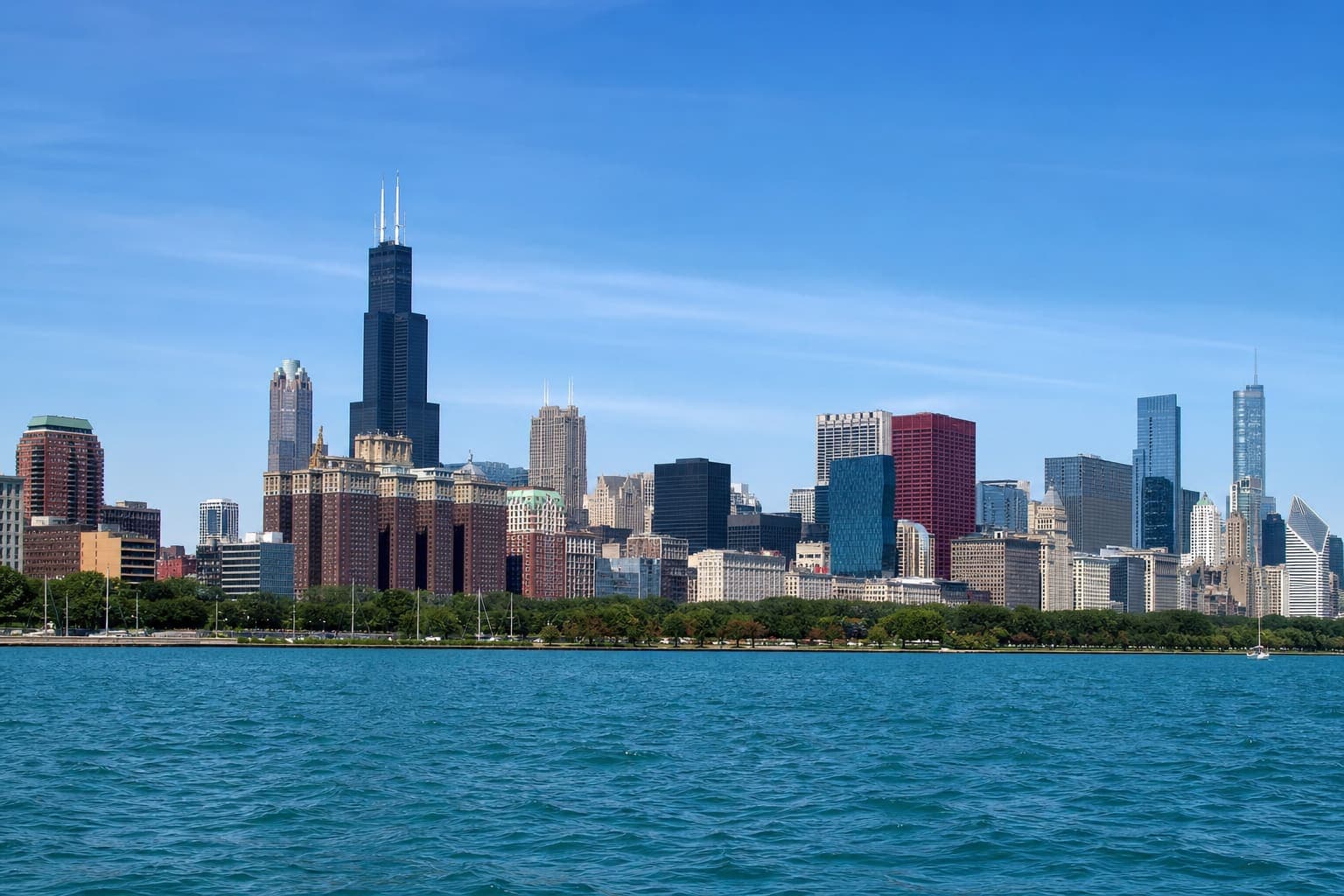
Classic Guided Architecture River Cruises
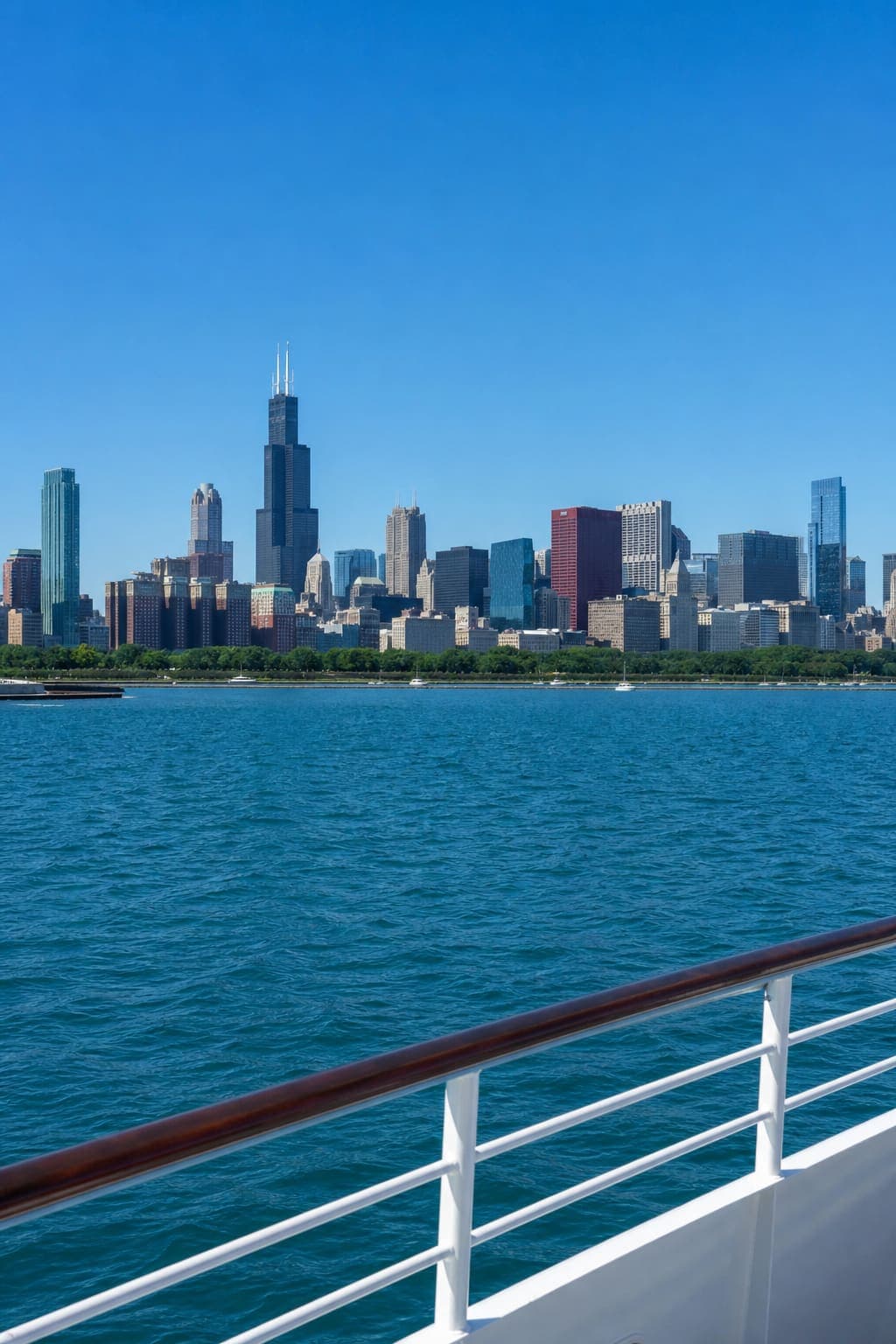
The classic Chicago architecture river cruise runs between 60–90 minutes and is narrated by a guide trained in architectural history. These tours cover the main branch of the Chicago River from the lake westward toward the Loop, and often branch north or south to capture different building clusters.
What distinguishes a great architecture cruise guide is not just recitation of building names and dates but the ability to weave together urban planning, engineering history, real estate economics, and cultural context into a coherent story. The best tours make you see Chicago as a living argument about what cities can be.
Seating is typically on open-air or partially covered decks. Bring sunscreen, and consider a covered option or morning departure in peak summer to avoid midday heat. Photography is unrestricted on these tours — the river-level perspective yields some of Chicago's most dramatic architectural photographs.
Speedboat Architecture Cruises
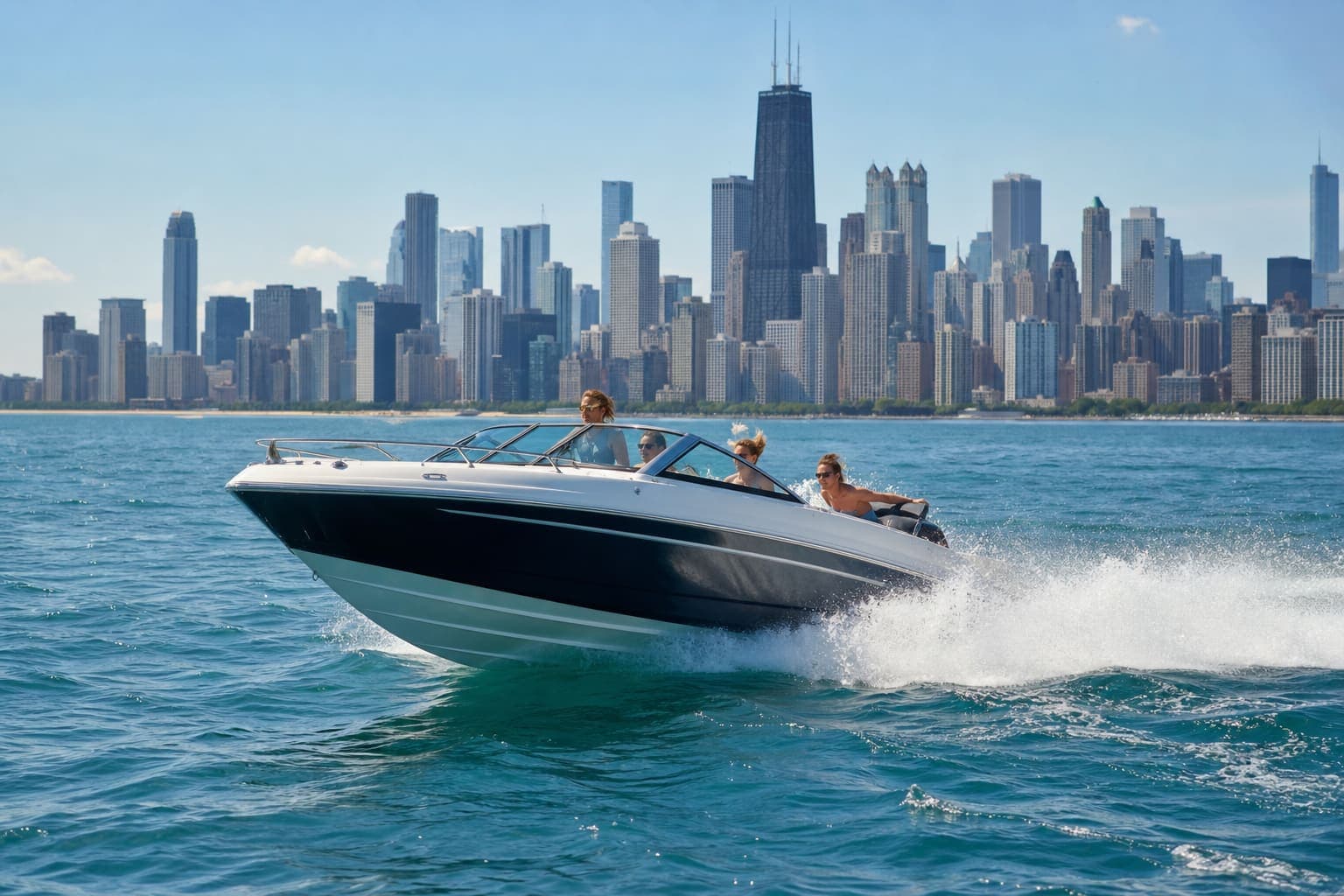
A speedboat architecture cruise covers the same river and lake territory at a faster pace, adding a thrill-ride element to the sightseeing. These tours combine the open lake with river excursions at speeds that make the experience more dynamic — popular with groups who have already done the classic boat tour and want something more energetic.
The trade-off is that speedboat narration is often briefer than the dedicated architecture cruise format. If detailed architectural storytelling is your priority, the classic guided tour is better. If energy and lake speed appeal to your group, the speedboat architecture option is genuinely fun.
Choosing Between Architecture Cruises: What Matters
Duration: a 45-minute tour is fine for visitors with tight schedules; 75–90 minutes allows real depth. If you're an architecture enthusiast or bringing visitors from out of town, invest in the longer option.
Guide quality varies. Read recent reviews with attention to comments about the guide specifically. A well-rated tour company with a mediocre guide on a particular departure can disappoint. Many booking platforms show star ratings and narrative reviews that flag this distinction.
Timing: morning departures catch buildings in east-facing light. Afternoon departures see more building faces lit by the west sun. Neither is universally better — choose based on your schedule and which light direction appeals to you photographically.
If you want a private group architecture experience rather than a shared tour, that's a different booking category. Private charters on the river can include an architecture-focused itinerary but are organized through charter companies rather than ticketed tour boats.
Notable Buildings and Landmarks on the River Route
The architecture cruise route along the Chicago River's main branch passes some of the most significant commercial and residential buildings in American architecture. The Wrigley Building (1924) and Tribune Tower (1925) mark the Michigan Avenue bridge at the river's mouth — these two structures represent the Gothic Revival and French Renaissance Revival styles that defined Chicago's early skyscraper era. Their positioning at the gateway to the river corridor makes them among the most photographed buildings in the city.
Marina City, the distinctive corncob-shaped residential towers designed by Bertrand Goldberg (1964), sits directly on the river's north bank and is visible from well upstream. The towers were a deliberately urban solution to suburbanization — Goldberg designed them to offer everything residents needed without leaving downtown. The boat basin at their base was a signature feature visible from the water and still draws architecture enthusiasts decades after completion.
The London Guarantee & Accident Building, the Merchandise Mart, and the Carbide & Carbon Building all appear along the route and represent different eras and styles of Chicago architecture. A well-narrated 90-minute cruise touches on at least a dozen significant buildings — far more than a walking tour can cover in the same time, because the river perspective puts multiple buildings in view simultaneously rather than one at a time from the sidewalk.
Photography on the Architecture Cruise: Getting the Best Shots
The river's vertical canyon walls make it ideal for architectural photography. From a boat at water level, you can capture building facades from foundation to roofline without the distortion that comes from looking up from the sidewalk. Morning light illuminates north- and south-facing facades of buildings along the east-west river stretch; afternoon light reverses this, illuminating opposite faces.
The open-air bow of the boat is the best shooting position for most forward-facing shots. Position yourself early — once the tour is underway, popular spots fill with fellow photographers. A polarizing filter reduces glare off the water and glass facades significantly if you're shooting with a dedicated camera rather than a smartphone.
Video is particularly effective from the architecture cruise format — the boat's movement through the canyon produces natural cinematic panning that captures the scale of the urban environment in a way that static photos struggle to convey. Even a 60-second clip moving under the Michigan Avenue bridge with the Wrigley Building in frame produces something distinctly and irreplaceably Chicago.
The Chicago River's Bridges: An Engineering Story in Themselves
The Chicago River's main branch passes under more than 40 moveable bridges — a concentration of bascule, swing, and lift bridges that constitutes one of the world's great collections of moveable bridge engineering. The Chicago Avenue, Michigan Avenue, Clark Street, and Wells Street bridges are all moveable bascule bridges that can be raised to allow taller vessels through the river channel. This infrastructure, mostly built between 1900 and 1935, represents Chicago's early 20th century engineering ambition as clearly as any of its skyscrapers.
From a kayak or boat at water level, passing under these bridges provides a perspective that reveals their mechanical complexity — the counterweights, the trunnion pins, and the massive hydraulic systems that allow 4,000-ton concrete-and-steel structures to move smoothly are visible from below in ways that street-level viewing entirely misses. Architecture cruise guides who specifically address the bridge engineering story as part of their narration give passengers an appreciation for civil infrastructure that's rarely emphasized in standard architectural commentary.