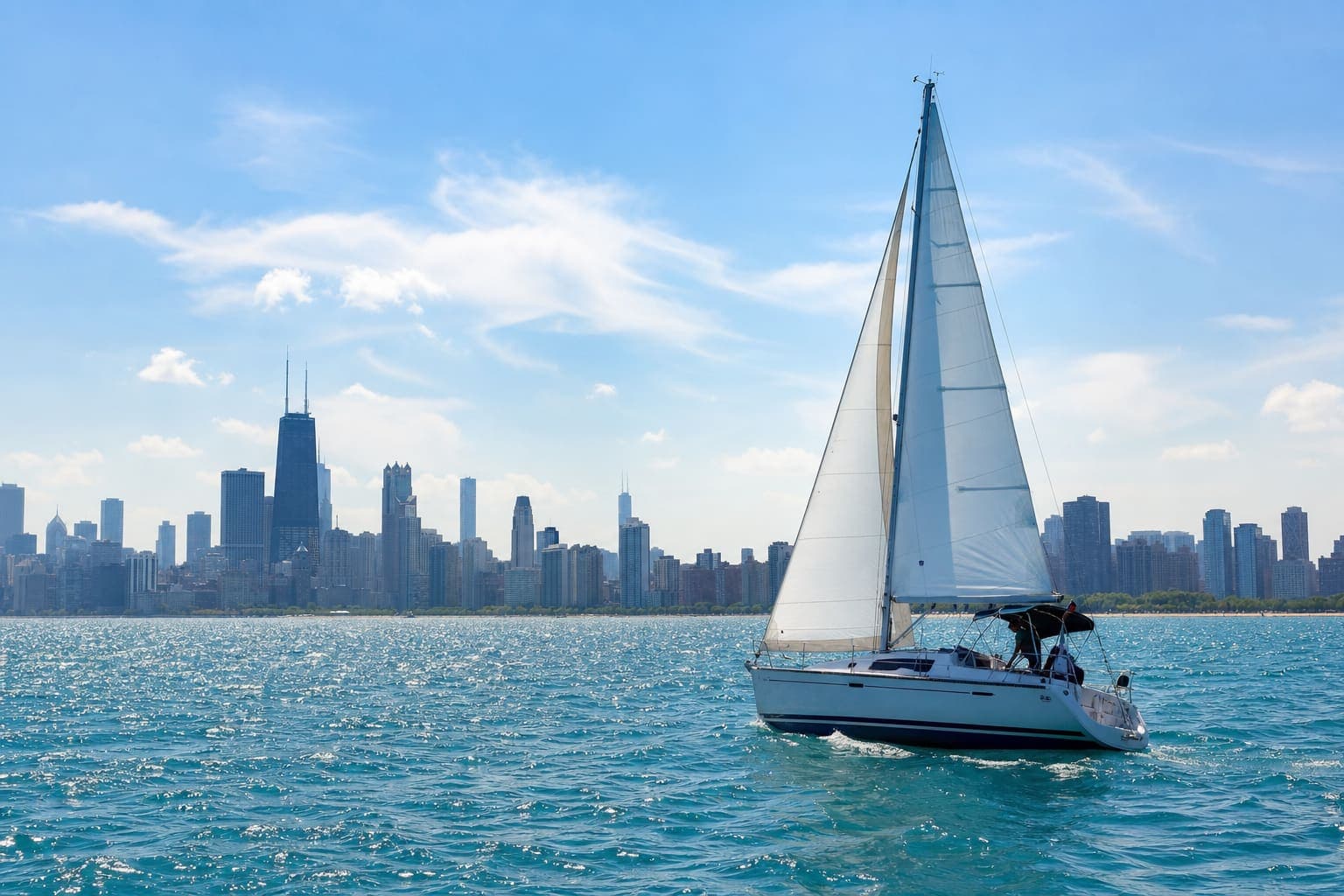
What Makes a Boat Rental Family-Friendly
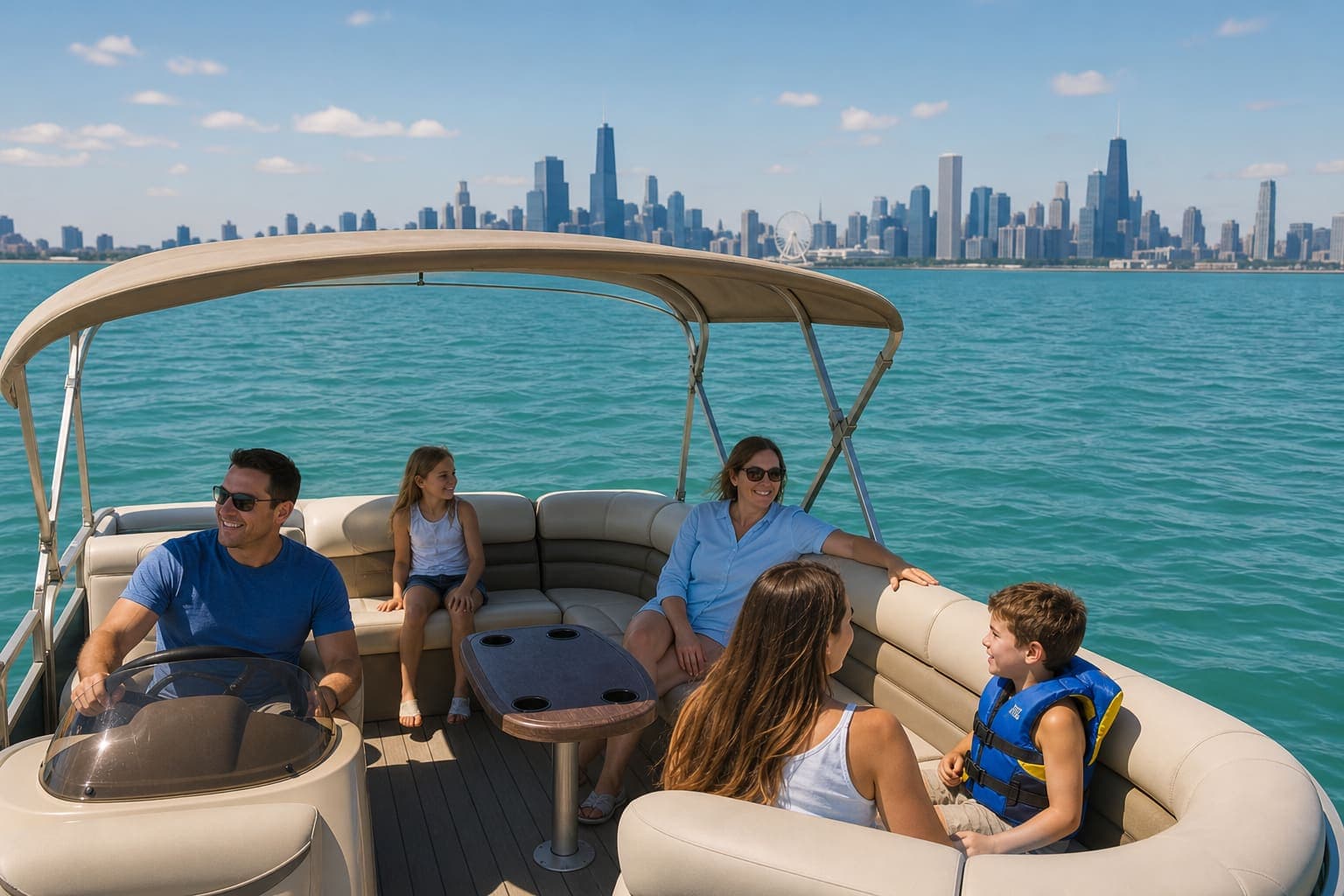
The biggest factor is whether the vessel is stable and low-to-the-water for easy boarding. Pontoon boats excel here — wide, flat decks, low gunwales for easy access, and the kind of stability that keeps kids from feeling anxious. Party boats with multiple deck levels can be less family-appropriate for very young children.
An experienced, patient captain is essential for family outings. A good captain will explain safety rules to kids in a way they understand, maintain comfortable speeds, and adjust the trip based on how the group is doing. When requesting a quote, mention that children will be aboard — this helps operators match you with the right captain.
Life jacket availability is a requirement. Under Illinois law, children under 13 must wear a USCG-approved life jacket whenever the boat is underway. Confirm that the operator provides appropriate life jackets for children of your kids' ages and weights — or bring your own that fit properly.
Best Family Boat Activities on Lake Michigan
A leisurely skyline cruise is ideal for mixed-age families. Pointing out Navy Pier, the distinctive Marina City towers, and the architecture along the waterfront keeps older kids and adults engaged while the movement of the boat entertains younger children.
A morning harbor cruise or river trip avoids the afternoon wind chop that Lake Michigan can develop and tends to produce calmer, more comfortable conditions for young passengers. If any family members are prone to motion sickness, mornings are safer bets.
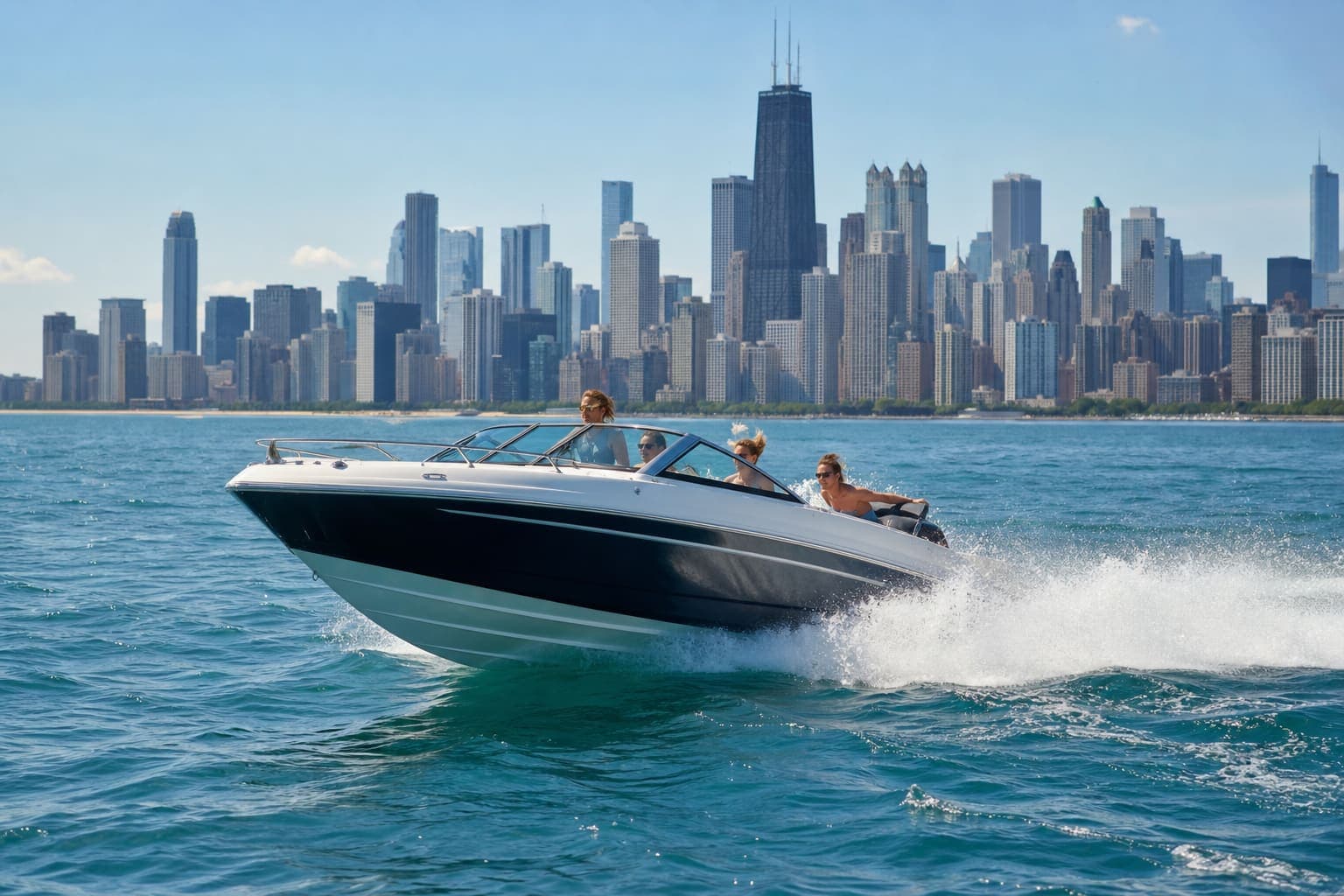
For families with teens, a speedboat or fishing charter adds engagement that a leisurely pontoon cruise might not. Teens old enough to follow safety instructions often enjoy more active boat experiences. Check operator age requirements for activities like swimming off the boat.
Architecture cruises on the Chicago River (ticketed) are another excellent family option — sheltered from lake wind, narrated commentary for educational value, and convenient boarding near downtown. Many architecture cruise companies welcome families.
Tips for a Smooth Family Boat Day
Pack snacks and extra water. Kids get hungry and thirsty at double the rate of adults on active days, and there are no convenience stores on the lake. Non-messy, non-crumbly snacks — granola bars, fruit, crackers — work best in a boat environment.
Apply sunscreen before you leave and reapply every 90 minutes. Kids' skin burns faster on the water, and the lake's reflection intensifies UV exposure. Use SPF 50+ and apply before the excitement of boarding makes everyone forget.
Let kids know boat safety rules before departure: stay seated while the boat is moving, no climbing on railings, always wear a life jacket when required, no running. Reviewing rules calmly on the dock before departure sets expectations and avoids surprises.
Build in downtime. Young kids especially need quieter moments between active experiences. Don't try to pack too much into a family boat day — sometimes the best family memory is just floating, watching the skyline, and letting everyone relax together.
Explaining the Lake to Kids Before You Go
A brief pre-trip conversation with kids about Lake Michigan sets expectations and builds excitement. Explain that Lake Michigan is one of the largest freshwater lakes in the world — larger than many countries — and that the waves and wind they'll feel on the boat are real natural forces, not a theme park ride. Kids who understand what they're experiencing tend to be more curious and less anxious when the boat moves.
Point out Chicago landmarks from the water as a natural educational framework. Navy Pier, the Willis Tower, and the distinctive corncob towers of Marina City are recognizable from the lake and give kids a frame of reference. Many families find that a day on the water produces more genuine curiosity about Chicago's architecture and history than any museum visit because the children are actively choosing to engage rather than being led through exhibits.
Build some unstructured time into the day. Some of the best family boat moments happen when adults stop planning and kids just watch the water, trail their hands over the side, or spot a seagull landing on a nearby buoy. Overplanned family itineraries on boats miss the quiet magic that water and open space naturally create for children of all ages.
Accessible Boating for Families with Mobility Considerations
Larger charter vessels — particularly pontoon boats and motor yachts — generally offer better accessibility for passengers with mobility considerations than smaller sailboats or speedboats. Wide, flat decks with minimal steps and low gunwales make boarding and moving around the boat more manageable for elderly family members, those with joint issues, or passengers who use mobility aids for shorter distances.
When booking for a multigenerational family that includes elderly grandparents or guests with limited mobility, specifically discuss accessibility with the charter operator before booking. Ask: How high is the boarding step from the dock? Are there handrails at the boarding point? Does the vessel have seating with back support throughout the deck? These practical questions save potential embarrassment or difficulty on the day of the charter.
DuSable Harbor and Monroe Harbor both have dock infrastructure that tends to accommodate accessible boarding reasonably well compared to more remote harbor facilities. If accessibility is a factor for any family member, requesting a departure from these centrally located harbors gives you the best infrastructure support for a comfortable family boating experience.
Managing Sun, Seasickness, and Timing on Family Charter Days
The most common family boat day disruptions in Chicago are predictable and preventable. Sunburn happens to almost every family that underestimates UV exposure on the water — bring spray sunscreen for easy application on wriggling children, and plan two application rounds: once at the marina before departure and once at the two-hour mark. Hats that stay on in wind are worth seeking out before the charter day.
Seasickness is more common in children than many parents expect, particularly on smaller, more motion-reactive vessels. Morning departures when the lake is calmer significantly reduce motion sickness risk. If any family member has a history of car or boat sickness, over-the-counter motion sickness medication taken 30 minutes before departure is more effective than reactive treatment once symptoms begin. Keeping children's attention focused on the horizon rather than on phones, books, or looking at the deck also helps.